by Kerri Consalvo | Oct 14, 2026 | Blog, Educational Philosophy
What can students learn from an apple? At The Phoenix School, quite a lot!
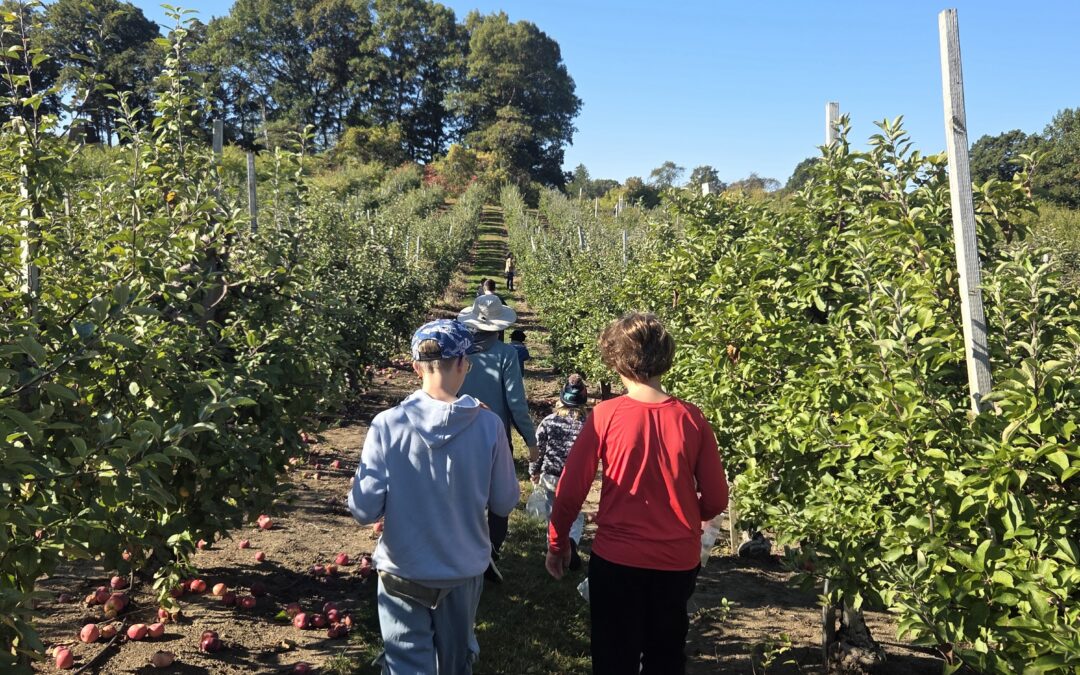
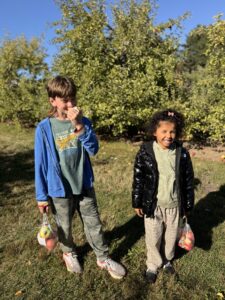
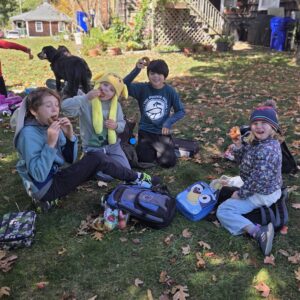
Last week, our whole school spent the day at Russell Orchards in Ipswich with Daisy, enjoying a beautiful fall day filled with music and exploration. Students went on a hayride to pick apples, learned about how apple trees grow, sang songs with Daisy and Captain Stan, visited the farm animals, and explored the farm store. We also enjoyed lunch together and had some delicious cider donuts!
But the learning began before we ever arrived at the farm and continued long after we returned to school.
Looking Closer: The Science of Apples
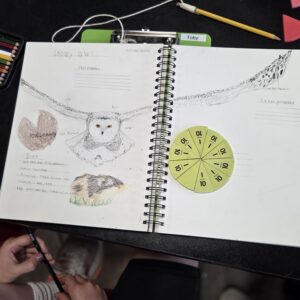
As part of their apple study, students created journal spreads exploring apples through scientific observation, drawing, reading, and writing. Working with partners, they selected apples from a variety of types, including Red Delicious, Granny Smith, and Pink Lady, and practiced scientific drawing.
Rather than outlining their drawings first, students focused on observing the apples closely and capturing what they saw. This encouraged them to slow down, notice details, and represent their observations as accurately as possible.
Students then watched a video about grafting and read an article to learn how growers can join parts of different apple trees to produce desired varieties. They drew diagrams illustrating the grafting process and wrote explanations of how it works.
Connecting Classroom Learning to the Real World
Experiences like our visit to Russell Orchards are an important part of learning at Phoenix. Students aren’t simply memorizing facts about apples or reading about how fruit grows. They’re observing, asking questions, exploring ideas, and making connections between what they learn and the world around them.
The apple study also shows how learning naturally crosses subject areas. Science connects with reading and writing. Drawing becomes a tool for careful observation. A farm visit brings classroom questions to life.
We’re grateful to Daisy and everyone at Russell Orchards for welcoming our Phoenix community and giving our students another opportunity to learn through experience. It was a wonderful day at the farm and one that will continue to inspire learning back in the classroom!
by Kerri Consalvo | Sep 16, 2026 | Blog
Our students kicked off a wildlife animal project with a simple starting point: wonder questions. Each student, within groups, chose an animal and developed questions about what they wanted to learn.
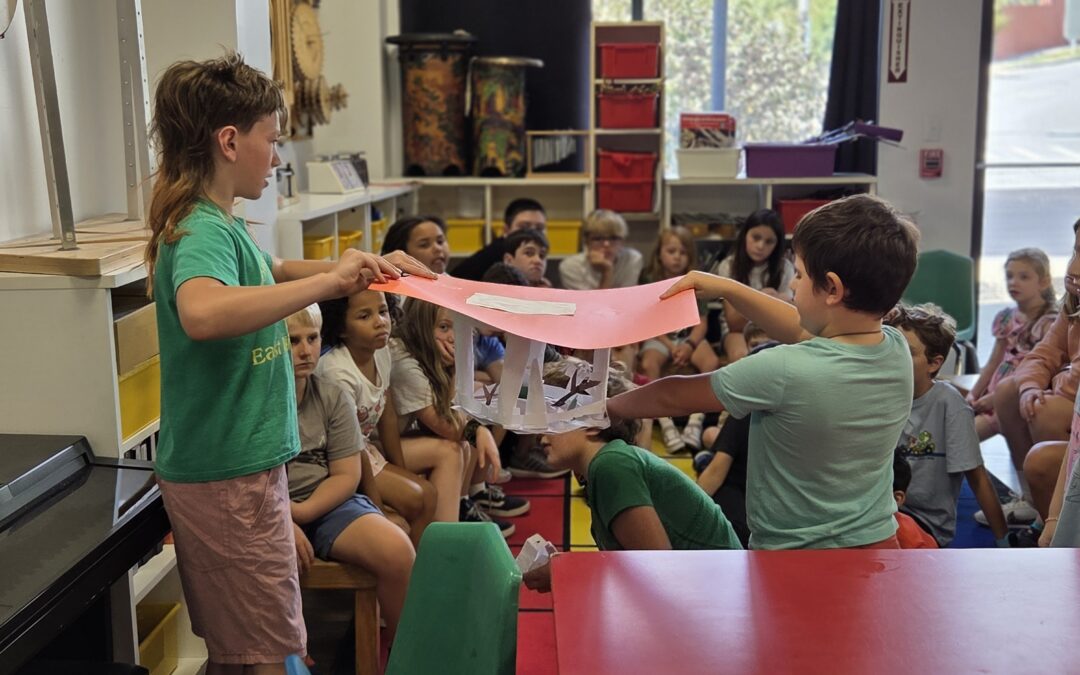
From there, their curiosity led to research, writing, art, math, and hands-on design. Students created wonder journal spreads, researched their animals, and designed and built animal enclosures using only paper and glue. They then carefully drew their enclosures in their math journals, making sure their measurements were accurate.
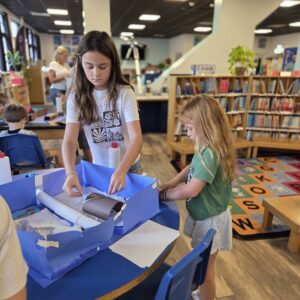
The project brought together science, writing, art, and math in a way that felt purposeful and connected. Students used what they learned about their animals to make decisions about their designs, applied measurement skills, and represented their thinking visually.
The project also gave students the opportunity to present their enclosures to the class, explaining their designs and sharing what they had learned. In doing so, they practiced communicating their ideas and learning from one another.
At Phoenix, learning doesn’t always fit neatly into one subject area—and that’s exactly the point. When students can ask questions, make choices, create, and share their thinking, different areas of learning come together in meaningful ways.
by Kerri Consalvo | Aug 3, 2026 | Uncategorized
Summer is a time for adventure, exploration, and making memories—but it’s also one of the best times for children to discover the joy of reading.
At The Phoenix School, we believe the goal of summer reading isn’t simply to keep students academically busy until September. It’s about helping children develop a lifelong love of books, curiosity, and learning.
Reading Is About More Than Finishing a Book
Many traditional summer reading assignments focus on quizzes, worksheets, or book reports. While these approaches can measure comprehension, they don’t always inspire students to become enthusiastic readers.
We take a different approach.
Our summer reading program encourages students to engage with stories in meaningful, creative ways. Whether they’re making connections to their own experiences, creating artwork inspired by a character, building something from a story, or sharing recommendations with classmates, students are invited to think beyond the pages of the book.
Reading becomes an experience, not just an assignment.
Every Reader Is Different
Just as every learner is unique, every reader is too.
Some children devour novels in a weekend. Others enjoy graphic novels, nonfiction, biographies, or listening to audiobooks. Some love discussing books with friends, while others quietly imagine themselves inside the story.
At Phoenix, we celebrate all of these ways of reading.
Our teachers know that fostering a love of reading begins with honoring students’ interests and giving them opportunities to discover books that truly excite them.
Why Creative Reading Projects Matter
When students have opportunities to respond creatively to what they’ve read, they move beyond memorizing details.
They begin asking questions, making personal connections, analyzing characters’ choices, and imagining new possibilities. These experiences strengthen critical thinking, communication, creativity, and confidence—all skills that extend far beyond language arts.
A child who builds a model of a setting, creates an alternate ending, designs a board game, or writes from a character’s perspective isn’t simply completing a project. They’re interacting with literature in a way that deepens understanding and makes reading memorable.
Creating Lifelong Readers Starts at Home
Families play an important role in nurturing a love of reading during the summer. It doesn’t have to involve long reading sessions or strict schedules.
Some simple ways to encourage reading include:
- Visit your local library and let your child choose books that genuinely interest them.
- Read together, even if your child is an independent reader.
- Listen to audiobooks during road trips or family outings.
- Talk about stories over dinner or while taking a walk.
- Encourage children to read magazines, cookbooks, graphic novels, or nonfiction about topics they love.
The more children see reading as something enjoyable—not just something assigned—the more likely they are to continue reading throughout their lives.
Learning Doesn’t Stop When Summer Begins
One of the things we love most about summer reading is that it reminds students learning can happen anywhere.
A book can spark a science investigation, inspire a piece of artwork, lead to a family discussion, or encourage a child to see the world from someone else’s perspective.
That’s the kind of learning we value at The Phoenix School.
Our hope isn’t simply that students return in the fall having finished a reading list. We hope they return with new ideas, new questions, and a deeper appreciation for the stories that help us better understand ourselves and others.
Because when children discover the joy of reading, they’re not just preparing for the next school year—they’re building a foundation for a lifetime of curiosity and learning.
by Kerri Consalvo | Jul 1, 2026 | Blog, Educational Philosophy
Graduation is always a special moment at The Phoenix School, but one of the most meaningful traditions is hearing our eighth graders reflect on their journeys. As we listened to the Class of 2026 share their speeches, a common theme emerged: growth.
Not just academic growth, but growth in confidence, leadership, resilience, and self-discovery.
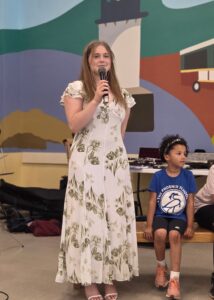 Fiona reflected on how much she has changed since arriving at Phoenix as a quiet second grader during the pandemic.
“I’ve grown from a timid, reserved, and inflexible girl to a now confident, expressive, and empathetic student.”
She spoke about learning to embrace challenges, support younger students, and recognize her own potential. Her journey is a powerful reminder that growth often happens gradually, through encouragement, reflection, and perseverance.
Gavin shared how Phoenix transformed his understanding of learning. Through choice-based projects, multiage partnerships, and real-world experiences, he discovered new passions and developed the confidence to pursue them.
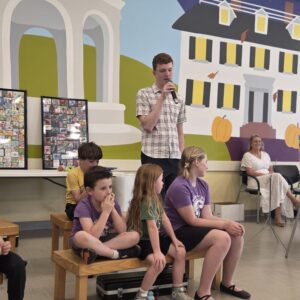 “Choice has given me the chance to enjoy much more of my learning, and through that increase the quality of my learning.”
His reflections highlighted the value of student agency and the unique opportunities that come from learning alongside students of different ages.
For Alfie, growth came through challenge. Whether learning to lead younger partners, accepting feedback on his work, or stepping outside his comfort zone during school trips, he discovered confidence by doing things that once felt impossible.
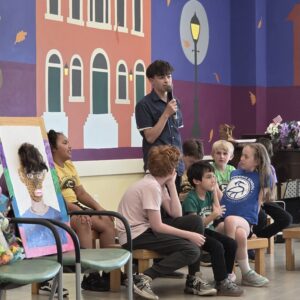 “Leadership wasn’t about getting my partner to listen. It was about learning how to support someone else.”
Looking back on his time at Phoenix, he recognized just how much he had changed. “If my fifth-grade self could see me standing at this podium today, they wouldn’t recognize the confident eighth grader I’ve become.”
Each graduate’s story is unique, but together they reflect what we hope every student gains from their time at Phoenix: the confidence to take risks, the ability to lead with empathy, the courage to embrace challenges, and the curiosity to keep learning.
To Fiona, Gavin, and Alfie: thank you for sharing your voices and your stories. We are proud of all you have accomplished and excited to see where your journeys take you next.
by Kerri Consalvo | Jun 12, 2026 | Blog, Educational Philosophy
Our graduation ceremony is one of the most cherished traditions at The Phoenix School. More than just a celebration of moving on to the next grade or graduating from middle school, it is a reflection of each student’s unique journey, growth, and accomplishments throughout the year.
At Phoenix, every student has a moment to shine. One of the highlights of the ceremony is hearing each child share their proudest moment from the year. Their reflections remind us of the many ways learning happens—not just through academics, but through creativity, perseverance, friendship, and personal growth.
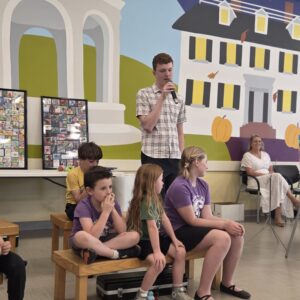
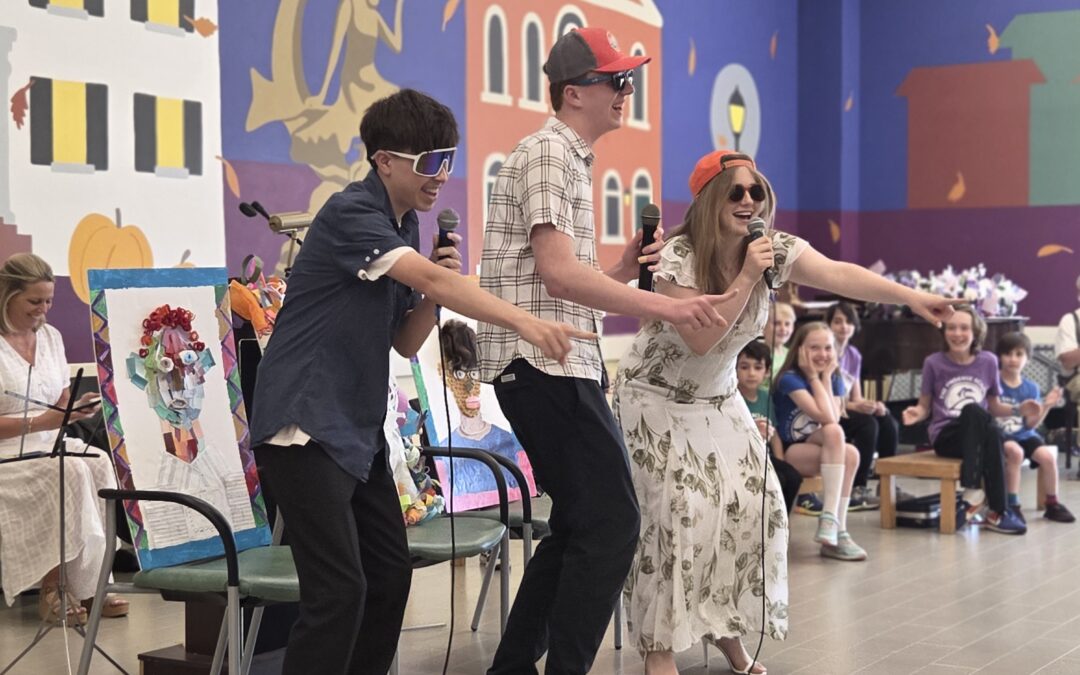
The ceremony also features heartfelt speeches from our graduating 8th graders. Their words often bring laughter, tears, and gratitude as they look back on their years at Phoenix and share their hopes for the future.
Music is another special part of the celebration. Students have the opportunity to perform with the orchestra or band and join Daisy in song, showcasing the confidence and talents they have developed throughout the year.
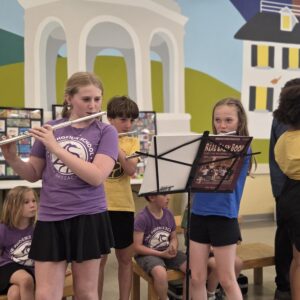
A favorite Phoenix tradition is our personalized student awards. Each child receives a special award that recognizes the qualities, strengths, and achievements that made them stand out during the year. These awards celebrate the unique gifts every student brings to our community.
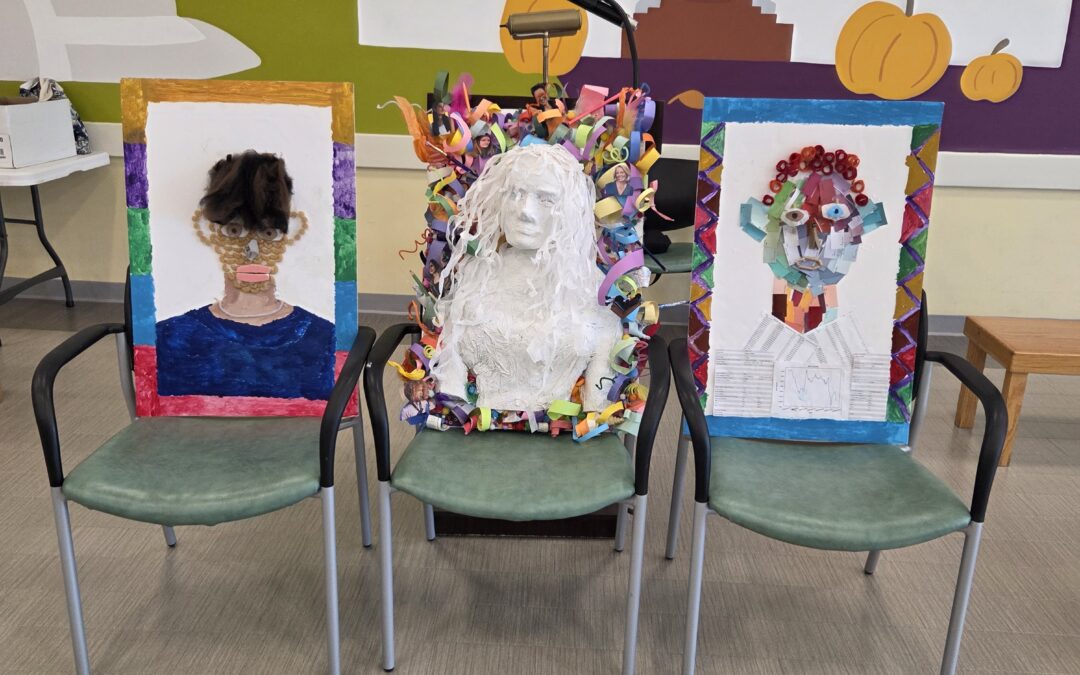
The creativity of our graduating class is also on full display. The 8th graders’ artwork is exhibited throughout the venue, alongside their impressive 3D self-portraits. These projects offer a glimpse into who they are as artists, thinkers, and individuals at this moment in their lives.
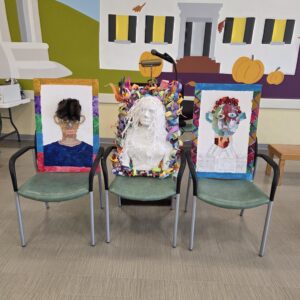
Graduation is always a beautiful reminder of what makes Phoenix so special: a community that knows each child deeply, celebrates their individuality, and honors their growth. We are incredibly proud of all our students and especially our graduating 8th graders. Congratulations to each and every one of them on an unforgettable year.